






Dental School & Student Debt Statistics 2026: Cost, Debt & Repayment
Dental school is one of the most expensive graduate educations in the country, and the debt that comes with it shapes where new dentists work, whether they specialize, and how long until they can own a practice. With the average indebted graduate owing close to $300,000 and federal loan rules changing in 2026, understanding the numbers has never mattered more.
Key Takeaways
- Indebted class-of-2025 graduates owed an average of about $297,800 (ADEA); recent-class figures range to $312,700.
- About 79%-80% of dental graduates carry education debt; over a third of those owe more than $300,000.
- Public-school grads average roughly $260,000; private-school grads about $321,000.
- First-year tuition and fees: ~$44,608 public resident, ~$84,842 private; top total cost of attendance reaches $600K-$700K+.
- 28,925 students were enrolled in predoctoral dental programs in 2025-26; the class of 2025 had 7,015 graduates.
- Repayment typically runs 7 to 30 years; specialty residency adds $50,000-$200,000.
- Federal Grad PLUS loans end for students starting on or after July 1, 2026, with new borrowing caps.
What's in This Guide
The Average Debt Load
The headline number is daunting, but it needs context: the widely cited "average" reflects only those who borrowed, and it has actually edged down slightly in inflation-adjusted terms.

Dental school graduates in the class of 2025 who borrowed owed an average of about $297,800 in total education debt, with debt from dental school alone at roughly $280,300, according to the American Dental Education Association. Figures cited across recent graduating classes range from about $293,000 to $312,700 (the class of 2024 average was $312,700), and the debt is widely described as topping $300,000. Around 79% to 80% of graduates carry education debt, and over a third of those with debt owe more than $300,000. Two nuances matter: because roughly one in five graduates leaves with zero debt, the average among all graduates is lower than the "indebted graduate" figure, which is why the indebted number is the one to anchor on. And after adjusting for inflation, the average debt balance has actually declined about 21.7% over recent years, and slipped in nominal terms the past two years, so the debt crisis, while severe, is not currently accelerating.
Source: ADEA, Educational Debt | EducationData.org (ADEA-sourced debt analysis)
Dentist salary and income statisticsWhat Dental School Costs
Debt is the downstream result of cost, and dental school tuition has outpaced inflation for two decades. The sticker price varies enormously by school and residency status.
The ADA reports average first-year tuition and fees of $44,608 for residents at public dental schools, $75,163 for non-residents at public schools, and $84,842 at private schools for the 2023-24 year. Those are tuition and fees only; total cost of attendance, which adds living expenses, books, equipment, insurance, and board exams, runs far higher, and interest accrues during school on most loans. At the most expensive programs in high-cost cities, the four-year total cost of attendance can reach $600,000 to $700,000 or more; analyses put NYU and USC in that top tier, with several other private East Coast and California schools in the $500,000-plus range. This is why the same "average" debt figure can understate reality dramatically for a student at a high-cost school in an expensive city, and overstate it for an in-state student at an affordable public program.
The "average" hides a huge range, know your own number. National debt averages are nearly useless for individual planning. A resident at an affordable public school with low living costs might graduate near $150,000 to $200,000, while a student at a high-cost private school in New York or Los Angeles can exceed $500,000 to $700,000 in total cost of attendance before specialty residency. The single most consequential financial decision in a dental career is often made before it starts: which school to attend, and at what residency status. Prospective students should build their projection from a specific school's published cost of attendance, not from the national average.
Source: ADA tuition data (via reporting) | Cost-of-attendance analysis by school (compiled)
Dental specialist statisticsDebt by School Type
The single biggest predictor of a graduate's debt, after individual borrowing choices, is whether they attended a public or private institution.
Public dental school graduates carry roughly $260,000 in debt on average, while private-school graduates average around $321,000, a gap of about $60,000 that reflects the tuition difference. The private-school figure includes a long tail of very high-cost programs, though it is partially offset by a handful of more affordable private schools (such as LECOM and Touro), so individual outcomes vary widely within each category. For those who specialize, the cost climbs further: specialty residency adds an estimated $50,000 to $200,000 depending on program length and whether the residency provides a stipend. That additional investment is part of the financial calculation behind specialization, the higher specialist income must justify not only the extra training years but the added debt, a tradeoff covered in the specialist and salary breakdowns.
Source: Debt by school type (ADA Survey of Dental School Seniors, compiled)
Practice ownership vs DSO statisticsEnrollment and the Pipeline
Behind the debt numbers is a steadily growing student population, an expanding pipeline that keeps demand for dental education, and its financing, high.
During the 2025-26 academic year, 28,925 students were enrolled in predoctoral dental education programs, up from 27,920 the year before, and the class of 2025 produced 7,015 graduates, up from 6,872 in 2024. There were 12,491 applicants for the Fall 2024 entering class, of whom 6,719 enrolled as first-year students. The pipeline is also getting more female and more diverse: 58.1% of enrolled students and 56.4% of the class of 2025 were women, continuing a decades-long climb (women were 21.3% of graduates in 1985). New dental schools continue to open, expanding capacity, which sustains a large and growing cohort of students taking on education debt each year. This growth connects directly to the workforce trends shaping the profession, from the rising share of women to the persistent question of where new dentists will choose to practice.
Source: ADA Health Policy Institute, Dental Education
Women in dentistry statisticsRepayment and Forgiveness
The debt is large, but so is the income that follows, and dentists have a notably strong repayment record thanks to entering their earning years quickly.
Repayment timelines typically run from about 7 to 30 years depending on loan type and strategy, with private loans often repaid in 7 to 10 years and federal loans stretched longer under income-driven plans. Dentists have a strong reputation for timely repayment, helped by entering the income stream faster than many other health professions. Several forgiveness and repayment-assistance programs can shorten the path: Public Service Loan Forgiveness discharges remaining federal debt after 120 qualifying payments while working for a qualifying nonprofit or government employer; the National Health Service Corps repays up to $75,000 for dentists who serve two years in a Health Professional Shortage Area; and additional programs exist through the VA, NIH, Indian Health Service, and the military. These service-linked options connect the debt story back to access, since more than 45 million to 64 million Americans live in dental shortage areas that these programs are designed to serve.
Source: Repayment timelines and forgiveness programs (compiled) | ADEA (repayment guidance)
Hygienist and assistant workforce statisticsThe 2026 Loan-Policy Shift
Finally, the financing landscape is changing in a way that will directly affect students entering after mid-2026, a development every prospective dentist should understand.
Legislation passed in July 2025 (the One Big Beautiful Bill Act) made significant changes to federal student loans, with an effective date of July 1, 2026. Most notably for dental students, federal Direct Grad PLUS loans, which many students have used to borrow up to the full cost of attendance, will no longer be available to students starting programs on or after that date, and new annual and aggregate federal borrowing limits take effect. Because Grad PLUS has been the main way students covered costs above other federal loan limits, some future students may need to turn to private loans to close the gap. Interest rates are also notable: the rate on new Direct Unsubsidized loans disbursed on or after July 1, 2026 is 8.07% fixed, with the statutory maximum as high as 9.5%. Separately, income-driven repayment has been in flux, a federal court ruled the SAVE repayment plan unconstitutional in early 2026, and further guidance is expected. Prospective students entering in 2026 and beyond should verify current federal loan rules directly, as this is an actively changing area.
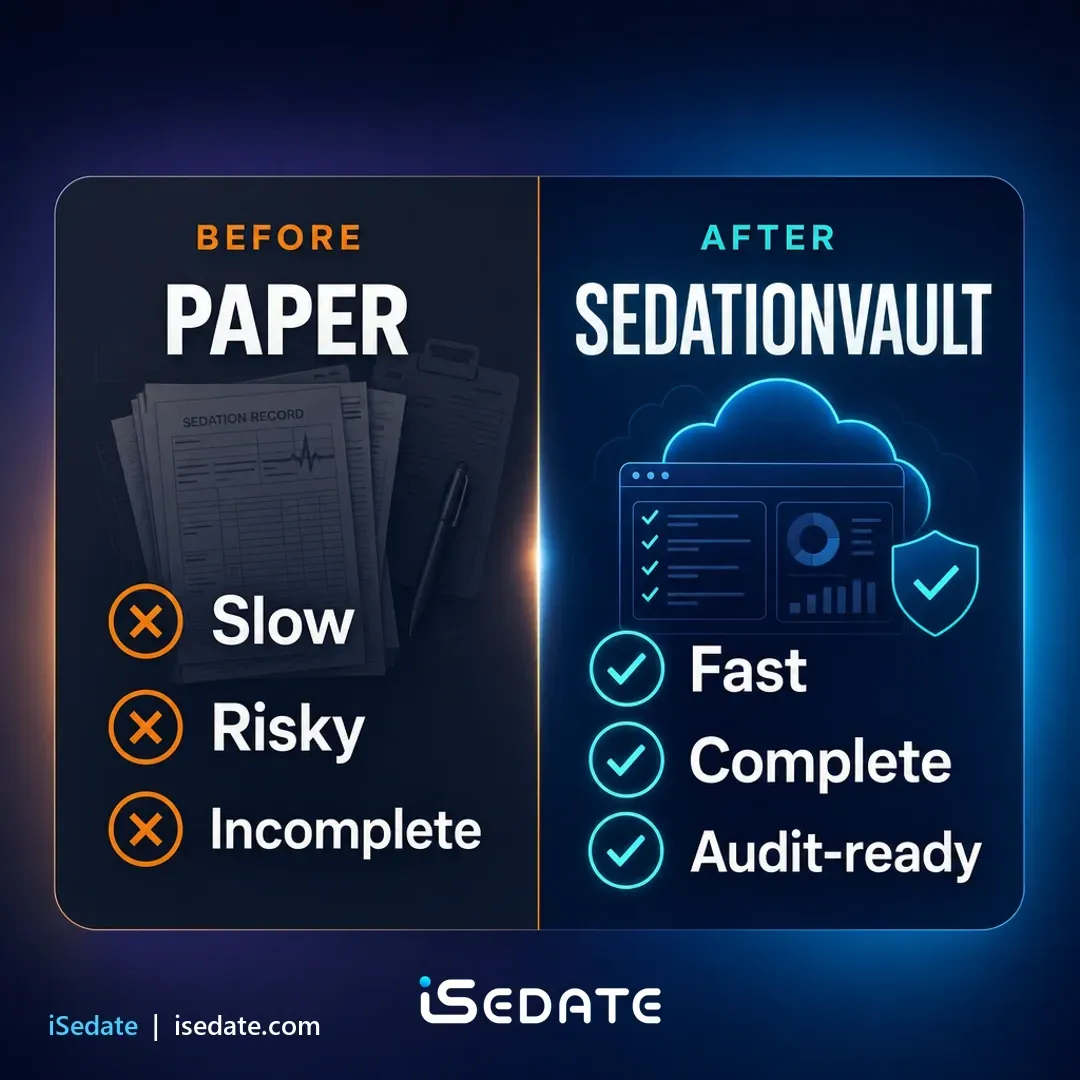
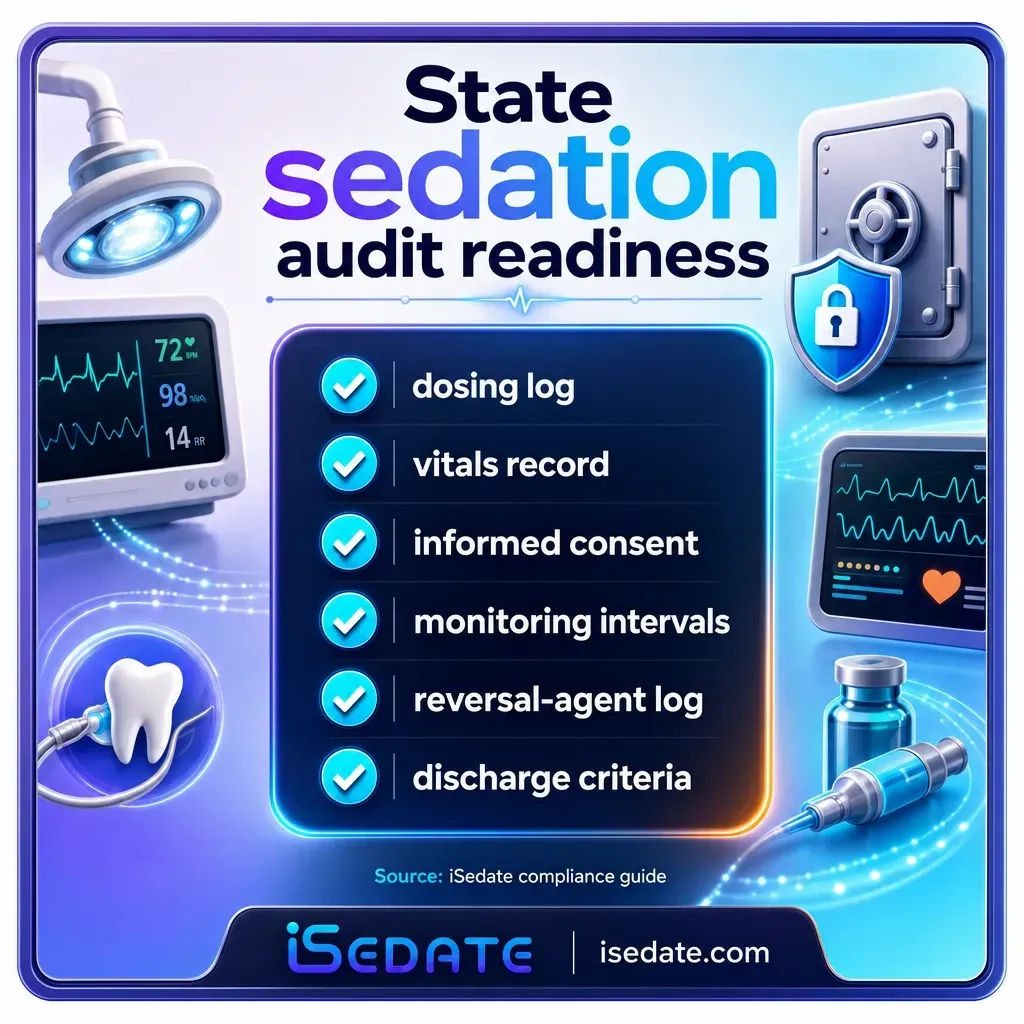
Where iSedate's SedationVault fits. Debt shapes the early-career math: new dentists carrying $300,000 in loans have a strong incentive to build efficient, profitable practices quickly, and sedation is one of the higher-value services a general dentist can add. For practices that offer it, iSedate's SedationVault supports that service line by feeding live vitals from compatible monitors (Edan, MindRay, Criticare, and more) into a timestamped record, capturing digital intake and consent, and producing one-click, audit-ready PDF reports, so the added revenue from sedation does not come with a proportional pile of manual paperwork. For a debt-conscious early-career dentist expanding into sedation, keeping the documentation efficient protects both time and defensibility as the practice grows.
Source: American Student Dental Association (loan-policy changes) | ADEA (2026 loan rule changes)
Book a SedationVault demoDental School & Student Debt Statistics: Summary Table
| Statistic | Figure | Source | Year |
|---|---|---|---|
| Avg debt, indebted graduates (2025) | $297,800 | ADEA | 2025 |
| Dental-school-only debt (2025) | $280,300 | ADEA | 2025 |
| Avg debt, class of 2024 | $312,700 | ADEA / reporting | 2024 |
| Share of graduates with debt | ~79%-80% | ADEA | 2025 |
| Indebted grads owing $300K+ | over one-third | ADEA (compiled) | 2025 |
| Public-school grad debt | ~$260,000 | ADA Survey of Dental School Seniors | 2024 |
| Private-school grad debt | ~$321,000 | ADA Survey of Dental School Seniors | 2024 |
| First-year tuition/fees, public resident | $44,608 | ADA | 2023-24 |
| First-year tuition/fees, public non-resident | $75,163 | ADA | 2023-24 |
| First-year tuition/fees, private | $84,842 | ADA | 2023-24 |
| Top total cost of attendance | $600,000-$700,000+ | Compiled (school COA data) | 2026 |
| Specialty residency added debt | $50,000-$200,000 | Compiled | 2026 |
| Predoctoral enrollment | 28,925 | ADA / ADEA | 2025-26 |
| Class of 2025 graduates | 7,015 | ADA / ADEA | 2025 |
| Fall 2024 applicants | 12,491 | ADA / ADEA | 2024 |
| Female share of enrolled students | 58.1% | ADA / ADEA | 2025-26 |
| Repayment timeline | 7-30 years | Compiled | 2026 |
| Grad PLUS loans end (new borrowers) | July 1, 2026 | ADEA / ASDA | 2026 |
| New unsubsidized loan rate | 8.07% fixed | ADEA | 2026 |
Frequently Asked Questions
What is the average dental school debt in 2026?
How much does dental school cost?
Do dental school graduates from private schools have more debt?
How long does it take dentists to pay off student loans?
Is dental school still worth the debt?
Methodology & Sources
Average-debt figures are from the American Dental Education Association (ADEA) Survey of Dental School Seniors, with the class-of-2025 indebted-graduate average of $297,800 as the primary anchor; other recent-class figures ($293,000 to $312,700) are noted as reported by ADEA and reporting outlets. Tuition and enrollment figures are from the ADA (Survey of Dental Education and Health Policy Institute dental-education data). Debt-by-school-type and cost-of-attendance-by-school figures are compiled from analyses of the ADA Survey of Dental School Seniors and individual school cost-of-attendance data, and are presented as approximate ranges. Repayment-timeline and loan-forgiveness details are compiled from financial and ADEA guidance. Loan-policy changes (the end of Grad PLUS for new borrowers, new borrowing caps, and the 8.07% rate effective July 1, 2026, plus the SAVE-plan court ruling) are reported factually from ADEA and American Student Dental Association materials as of early 2026; because this is an actively changing area, readers should verify current federal loan rules directly. All figures are informational, not financial advice.
Media and press usage: Journalists and researchers are welcome to cite the statistics in this article with attribution to the original primary sources named above (primarily the ADEA and the ADA). A link back to this page is appreciated.