






Special Needs Sedation Dentistry Statistics (2026): Access, Barriers, and Care Patterns
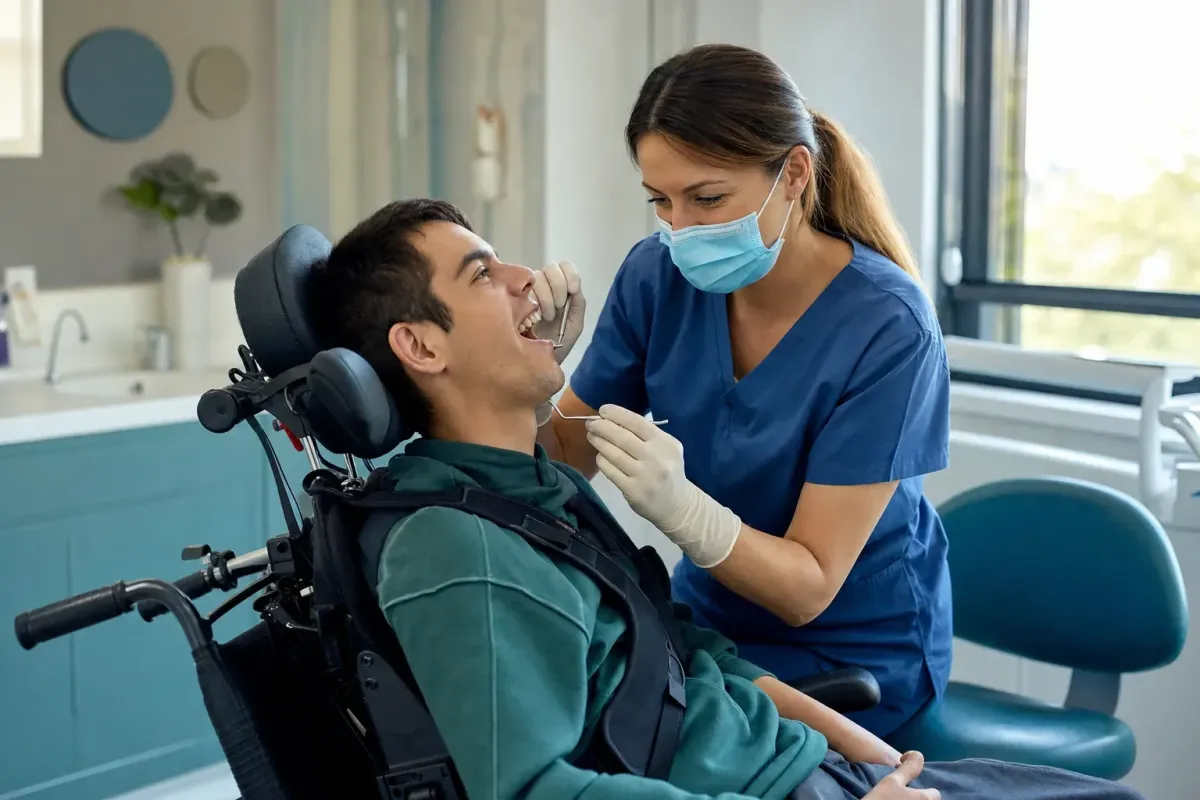
About 1 in 4 U.S. adults lives with a disability, and for many of them oral health care is the single most unmet health need. When care does happen, it often requires sedation or general anesthesia, with one review finding 87.7% of special needs patients needed GA-level treatment versus 69.9% of healthy patients. The data below covers the scale of the need, the barriers behind it, and the care patterns that result.
- About 1 in 4 U.S. adults (25%) lives with a disability; globally an estimated 15%, or 1 billion people.
- Oral health care is repeatedly described as the most unmet health care need for people with disabilities.
- Treatment requiring general anesthesia reached 87.7% in special needs patients versus 69.9% in healthy patients in one review.
- Autism spectrum disorder was the most common single diagnosis at about 33% in one special needs GA study.
- Reported access barriers include lack of specialized staff (28.6%), knowledge gaps (26.6%), and inadequate facilities (34%).
- Care is often extensive by the time it happens: about 86% multiple extractions and 62% restorations under GA in one study.
- Polypharmacy is common, so anesthetic planning must account for drug interactions.
What's in This Guide
01 The Scale of the Need
The population of people with special health care needs is far larger than many practices realize, and their dental needs are both greater and less met than the general population's. The numbers establish why this is a significant public health issue.
The CDC estimates that approximately 1 in 4 U.S. adults, about 25%, lives with a disability that limits function and independence, while global estimates put the figure near 15%, or roughly 1 billion people. Within this broad group, the American Academy of Pediatric Dentistry defines special health care needs as a wide spectrum of physical, developmental, mental, sensory, behavioral, cognitive, or emotional impairments requiring specialized care. Research consistently finds that these individuals experience higher rates of dental caries and periodontal disease than the general population, yet oral health care is repeatedly identified as their most unmet health care need. The demand behind sedation in this population, part of the broader picture in our sedation dentistry statistics overview, is therefore driven by a combination of greater disease and harder access.

Source: Impact of disability diagnosis on dental care use for adults in the US (NCBI) | Outcomes of treatment under GA in special health care needs (NCBI)
See how SedationVault supports sedation care
02 The Barriers to Care
Understanding why access is so difficult is the key to this whole topic. The barriers are not one problem but a stack of them, and they compound each other in ways that leave many patients with nowhere to turn.
The barriers are layered and well documented: limited provider training, inadequate appointment availability, transportation difficulties, financial limitations, insurance coverage for sedation-based care that is inconsistent, and communication challenges. A significant contributor is the provider side itself. Research finds that many dentists do not feel their education adequately prepared them to treat special care populations, and are therefore less likely to provide care after graduation. Studies repeatedly identify difficulty finding a dentist willing and able to treat the patient as one of the most frequently cited reasons for lacking a regular dental provider. The result is that people with disabilities often end up seeking dental care on an emergency basis rather than through routine prevention.
Often it is not. While behavioral and medical complexity are real, the literature consistently identifies system and provider factors, insufficient training, offices not equipped to accommodate, inconsistent insurance, and a shortage of willing providers, as central barriers. In multiple studies, the single most cited reason for not having a regular dentist was simply not being able to find one willing and able to treat the patient. Framing access as solely a patient problem misses that much of the gap is a supply-and-preparation problem, one that trained, equipped practices are positioned to solve.

Source: Interdisciplinary oral and primary health care for patients with disabilities (NCBI) | Barriers to dental care for individuals with ASD (NCBI)
See how dentists use SedationVault
03 Higher Need for Sedation and GA
When special needs patients do receive comprehensive dental care, they require sedation or general anesthesia far more often than the general population. This is where the higher disease burden and the difficulty tolerating conventional treatment converge.
A systematic review found that the prevalence of treatment requiring general anesthesia reached 87.7% among special needs patients, compared with 69.9% in healthy patients. Across the studies, the most common indication for GA was tooth decay, cited in a range from 6.5% to 90.8% of patients depending on the study, followed by lack of cooperation and fear. The review also observed that GA use in this population is increasing, that monitoring and preventive care are often insufficient, and that treatment withdrawal rates are high. Importantly, general anesthesia itself is considered a safe and efficient resource for patients whose characteristics make conventional treatment impossible, a safety picture covered in our general anesthesia in dentistry statistics. The higher need is not a failure, it is an appropriate clinical response to real complexity.

Source: GA for oral and dental care in special needs patients, systematic review (NCBI)
See anesthesia record software
04 Conditions and Care Patterns
The specific conditions and the treatment patterns they produce reveal a great deal about this population's dental care. Two features stand out: the prominence of autism spectrum disorder, and the extensive nature of the treatment provided.
In one retrospective study of special needs patients treated under general anesthesia, autism spectrum disorder was the most common medical diagnosis at 33%. The treatment provided tends to be extensive: about 86% of patients underwent multiple extractions and 62% received restorations, reflecting disease that has often advanced significantly by the time comprehensive care becomes possible. A further clinical consideration is medication. Studies of special needs dentistry find high rates of polypharmacy, with frequent use of antiepileptic and antipsychotic medications, which makes understanding potential drug interactions essential to safe anesthetic management. The care pattern, extensive treatment consolidated into a single anesthetic session, is a direct consequence of the access barriers that delay routine care.
Follow the chain the data lays out. Access barriers delay routine care, delayed care lets disease advance, and advanced disease means that when treatment finally happens it is extensive, roughly 86% needing multiple extractions in one study. In other words, the difficulty of getting in the door converts directly into the magnitude of treatment required once inside. This is why the field emphasizes early intervention and lighter techniques: every routine visit that a special needs patient can tolerate with behavioral support or light sedation is a potential extraction avoided later. The access problem and the treatment-burden problem are the same problem viewed at two points in time.
Sources: Special needs GA retrospective studies (NCBI); systematic review of GA in special needs patients. Interpretation original to iSedate.

Source: Dental treatment under GA in special needs patients, comparative study (NCBI) | Medication profiles in special needs dentistry (Frontiers)
See the dental anxiety data
05 The Care Model: Lightest First
The guiding principle in special care dentistry mirrors the rest of sedation practice but carries extra weight here: use the least invasive approach that will safely accomplish care, and reserve deeper options for when they are truly needed.
The literature is consistent that early intervention using sedation and behavioral management partially mitigates the need for treatment under general anesthesia, even though many patients with special needs may still require GA for complex care. The practical model is tiered: non-pharmacological behavioral support first, then minimal or moderate sedation, with deeper sedation or general anesthesia reserved for patients and procedures that genuinely require it. Techniques such as oral sedation and nitrous oxide, detailed in our oral sedation dentistry statistics and nitrous oxide sedation statistics, are important intermediate tools that can make routine care possible for some patients without escalating to GA. The goal throughout is to expand access while matching the technique to the patient's actual needs.
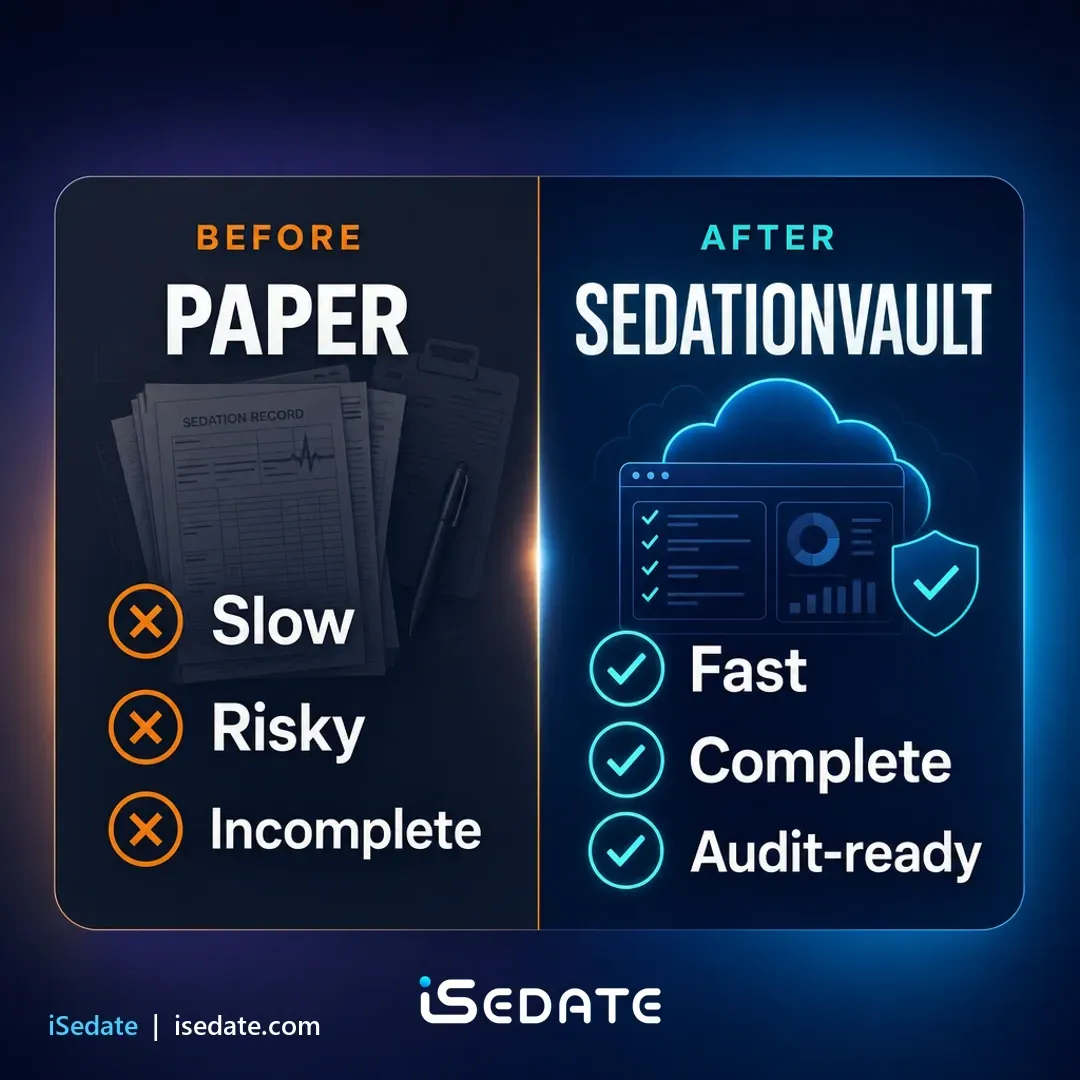
Special needs patients often present with complex medical histories, polypharmacy, and a need for careful, well-documented sedation across a range of depths. iSedate's SedationVault captures live vitals from compatible monitors, including Edan, MindRay, Criticare, and more (the Edan X10 is a common example), and builds a continuous, audit-ready record for every case, whether light sedation or deeper care. For a population where medical complexity and documentation demands are high, that complete record supports both safer real-time decisions and the defensible standard of care these vulnerable patients deserve.

Source: Sedation and behavioral management before GA in special needs patients (NCBI)
Book a Demo
06 Summary Table: Every Statistic
| Statistic | Figure | Source | Year |
|---|---|---|---|
| U.S. adults living with a disability | ~25% (1 in 4) | CDC / NHIS analysis | 2022 |
| Global population with a disability | ~15% (~1 billion) | WHO / global estimates | current |
| Oral health care ranking among unmet needs | Most unmet | NHIS disability analysis (NCBI) | 2022 |
| Treatment requiring GA, special needs patients | 87.7% | Systematic review (NCBI) | 2021 |
| Treatment requiring GA, healthy patients | 69.9% | Systematic review (NCBI) | 2021 |
| Tooth decay as GA indication (range) | 6.5-90.8% | Systematic review (NCBI) | 2021 |
| Autism spectrum disorder as most common diagnosis | ~33% | Special needs GA comparative study | 2022 |
| Multiple extractions under GA | ~86% | Special needs GA comparative study | 2022 |
| Restorations under GA | ~62% | Special needs GA comparative study | 2022 |
| Barrier: inadequate facilities | 34% | ASD dental barriers case-control study | 2020 |
| Barrier: embarrassment | 43.5% | ASD dental barriers case-control study | 2020 |
| Barrier: lack of specialized staff | 28.6% | ASD dental barriers case-control study | 2020 |
| Barrier: provider knowledge gap | 26.6% | ASD dental barriers case-control study | 2020 |
| Prior sedation before GA (private sector) | 52% | Public vs private GA study (NCBI) | 2022 |
| Polypharmacy in special needs dentistry | Highly prevalent | Medication profiles study (Frontiers) | 2026 |
07 Frequently Asked Questions
How many people have special health care needs relevant to dental care?
Why is dental care so hard to access for special needs patients?
Do special needs patients need sedation more often than other patients?
What conditions most commonly require sedation for dental care?
What dental treatment do special needs patients typically receive under anesthesia?
All figures trace to peer-reviewed studies and authoritative bodies (CDC, AAPD, and published systematic reviews). Prevalence, barrier, and treatment-pattern figures reflect the specific populations and countries studied, and international figures may differ from U.S. patterns. General anesthesia safety data is addressed in a separate dedicated analysis. Sources include:
- "Impact of disability diagnosis on dental care use for adults in the United States" (JADA / NCBI)
- "General anesthesia for oral and dental care in paediatric patients with special needs: A systematic review" (NCBI)
- "Dental Treatment under General Anesthesia in Patients with Special Needs" comparative study (NCBI)
- "Dental Service Utilization and Barriers to Dental Care for Individuals with ASD" case-control study (NCBI)
- "Interdisciplinary oral and primary health care for patients with disabilities" (NCBI)
- "Medication profiles of patients undergoing dental treatment under GA or sedation in special needs dentistry" (Frontiers)
- American Academy of Pediatric Dentistry, definition of Special Health Care Needs
Special care dentistry combines medical complexity with high documentation demands. iSedate's SedationVault captures live vitals and builds an audit-ready record for every sedation case, across the full range of depth. To see how it works in your practice, book a demo.