






Mississippi Sedation Dentistry Licensing & Permit Requirements
In Mississippi, your dental license alone does not let you sedate a patient. Any dentist who intends to place a patient under minimal, moderate, deep sedation, or general anesthesia must first hold the matching advanced anesthesia permit from the Mississippi State Board of Dental Examiners, issued under Board Regulation 30, "Administration of Anesthesia." Earning the permit means meeting the training and certification bar for your class and passing a facility inspection. Keeping it means your records survive an on-site evaluation. This guide walks both halves, and links every official form you will need.
Recent Updates
Last UpdatedNovember 16, 2026
- Replaced third-party legal mirrors with the Board's own Regulation 30 filing and official application forms.
- Added the Board's verified permit fees (300 dollars per class, 400 dollars facility permit) and the biennial renewal cycle.
- Corrected the moderate-sedation training path to the Board's actual Class II requirement (CODA residency or a board-approved course), replacing a continuing-education provider's hour count.
- Added the facility-permit and inspection process, including the temporary-permit rule.
Key Takeaways
- Mississippi issues three advanced anesthesia permit classes under Regulation 30, Section 4: Class 1 (deep sedation / general anesthesia), Class 2 (moderate, or "conscious," sedation), and Class 3 (minimal sedation).
- The numbering is inverted versus some states: Class 1 is the deepest and Class 3 is the lightest, so read the class, not the number.
- Moderate sedation (Class 2) requires either a CODA residency with moderate-sedation training or a board-approved sedation course, plus current ACLS. Pediatric patients add PALS and extra training.
- Each permit application is 300 dollars; the separate facility permit is 400 dollars; every sedation facility must pass an on-site inspection.
- Keeping the permit turns on documentation: the Board's on-site evaluation reviews at least ten charts for proper documentation under Section 17(c)(2).

What This Guide Covers
- Who issues sedation permits in Mississippi
- The three Mississippi permit classes
- How to qualify for each permit
- What your permit obligates you to monitor and document
- On-site evaluations and the facility permit
- Fees, renewal, and staying current
- Keeping records audit-ready
- Frequently asked questions
- Related guides and neighboring states
- Sources
Who issues sedation permits in Mississippi
Sedation dentistry in Mississippi is regulated by the Mississippi State Board of Dental Examiners, the state agency that licenses dentists and issues every advanced anesthesia permit. The Board, not any national body, decides who may sedate, runs the on-site evaluations, and takes disciplinary action. The governing rule is Board Regulation 30, "Administration of Anesthesia" (30 Miss. Admin. Code Part 2301, Rule 1.30), adopted under Miss. Code Ann. Section 73-9-13. Regulation 30 replaced the older Regulation 29, so a pre-2021 summary can send you to a repealed rule. Every requirement below traces to a section of the current regulation.
Important
The ADA writes the standard; the Board writes the law. The American Dental Association publishes sedation guidelines that Mississippi and most states lean on, but the ADA is a professional association, not a government agency. It does not license you, evaluate you, or discipline you. Your permit, your on-site evaluation, and any sanction come from the Mississippi State Board of Dental Examiners under Regulation 30. Separate federal layers still apply on top of the state rule: the DEA governs controlled-substance records, and HIPAA governs patient data. Treat the ADA guidelines as best practice and Regulation 30 as the rule you answer to.
Source: Mississippi State Board of Dental Examiners, Facility Inspections | Board Regulation 30
The three Mississippi permit classes
Mississippi names its permits by class, and the class reflects how deeply the patient is intended to be sedated, not just the drug or route. Regulation 30, Section 4 defines three classes. The thing to internalize first: Mississippi's numbering runs opposite to the way several states number their levels. Class 1 is the deepest, Class 3 is the lightest.
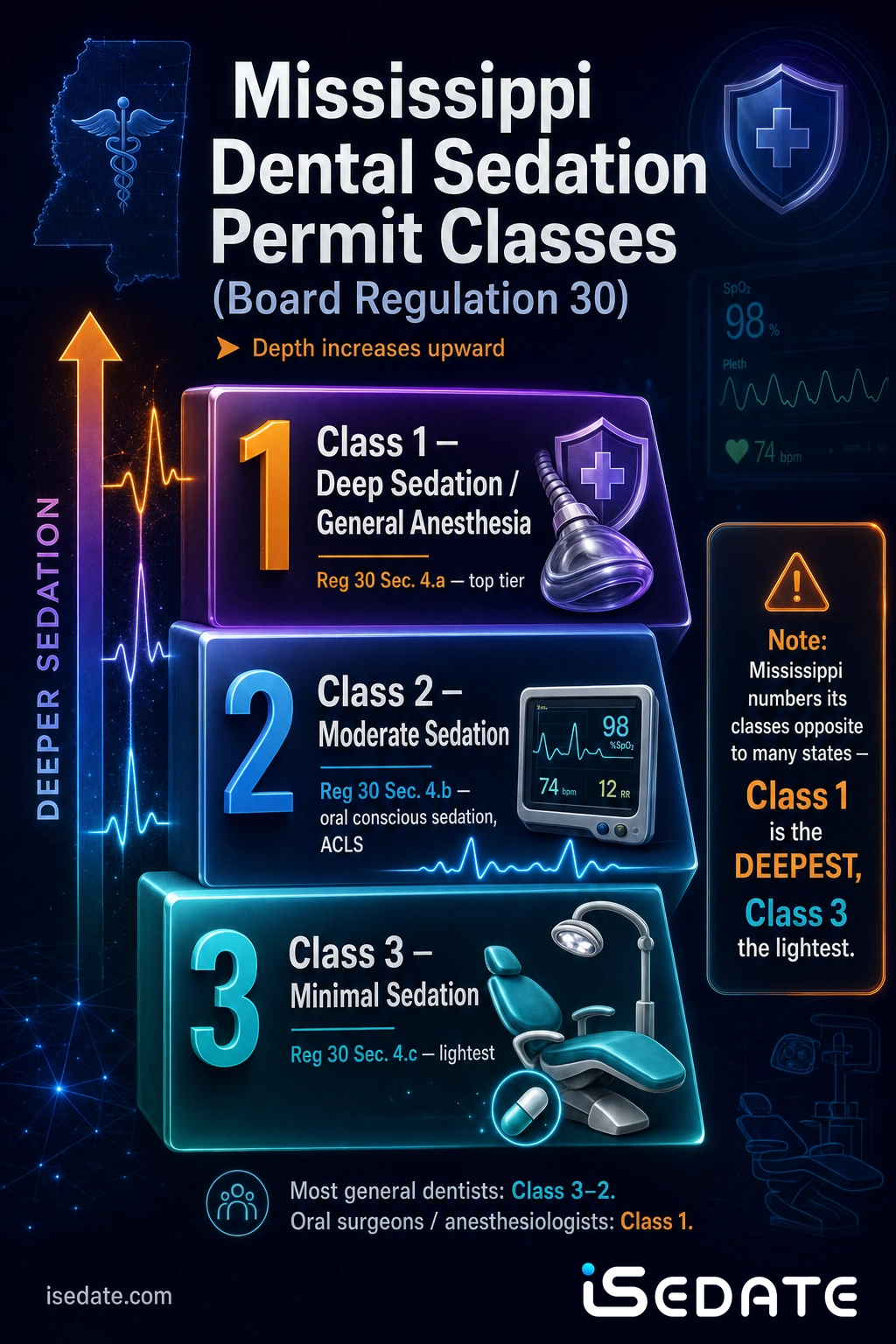
Class 3, minimal sedation (Reg 30, Section 4.c). The lightest permit. Issued to a dentist who intends to place the patient under minimal sedation (anxiolysis), where the patient responds normally to verbal command and airway and cardiovascular function are unaffected. This is the common starting point for a general practice adding light sedation.
Class 2, moderate sedation (Reg 30, Section 4.b). Issued to a dentist who intends to place the patient under moderate sedation, widely known as Conscious Sedation, where the patient responds purposefully to verbal or tactile stimulation and keeps their own airway. This is the workhorse permit for dentists who provide genuine oral or IV moderate sedation.
Class 1, deep sedation or general anesthesia (Reg 30, Section 4.a). The top tier. Issued to a dentist who intends to place the patient under deep sedation or general anesthesia, where the patient is not easily aroused or is unconscious and may need airway support. Class 1 is largely the province of dental anesthesiologists and oral and maxillofacial surgeons; most general dentists operate at Class 3 or Class 2.
Myth, Busted
Myth: A higher class number means a deeper level of sedation.
Fact: In Mississippi it is the reverse. Under Regulation 30, Section 4, Class 1 is deep sedation and general anesthesia, while Class 3 is minimal sedation.
Dentists who trained or practiced in a state that numbers levels the usual way (Level 1 lightest) trip on this constantly. Always confirm the class against the depth it authorizes, not the number.
Source: Board Regulation 30, Section 4 (permit classes)
How to qualify for each permit
Each class has its own bar: a defined training path and resuscitation certification, applied for on the Board's own form. The training categories below come straight from the Board's Class II application and Regulation 30. One honest caveat applies to the whole section: the Board sets and periodically updates the exact course criteria, so verify the current requirement on the application itself before you rely on it.
| Permit class | Depth authorized | Training path (per the Board's application) | Resuscitation |
|---|---|---|---|
| Class 3 (Reg 30, Sec. 4.c) | Minimal sedation | Board-approved minimal-sedation training as outlined in Regulation 30; confirm current criteria with the Board | Confirm with the Board |
| Class 2 (Reg 30, Sec. 4.b) | Moderate (Conscious) sedation | A CODA residency with comprehensive moderate-sedation training, OR a board-approved moderate-sedation course per Reg 30 | ACLS (plus PALS for a pediatric endorsement) |
| Class 1 (Reg 30, Sec. 4.a) | Deep sedation / general anesthesia | The most demanding path; worked directly from Regulation 30 with the Board | ACLS (plus PALS for patients under 13) |
Class 3: minimal sedation
Class 3 is the most accessible permit and the usual first step for a general practice adding light oral sedation. The specific training is set by Regulation 30; because the exact current criteria are administered on the Board's application rather than fixed in a single published figure, confirm them with the Board rather than relying on a course provider's marketing page. If your practice uses nitrous oxide analgesia alone, ask the Board whether an advanced permit is required for your specific modality before you assume you are exempt.
Class 2: moderate (Conscious) sedation
Class 2 is where most sedation dentists operate. On the Board's own Class II moderate-sedation application, a dentist qualifies by completing either a CODA-accredited dental residency that includes comprehensive training in administering moderate sedation, or a board-approved course in the administration and management of moderate sedation as outlined in Regulation 30. Current ACLS certification is required for the permit, and the application notes that approval is contingent on passing a provider evaluation. Board-approved moderate-sedation courses typically pair substantial classroom instruction with a set of supervised live-patient cases; the DOCS Education sedation course is one provider the Board recognizes for this purpose. Confirm the exact course, patient count, and provider evaluation with the Board before you enroll.
Treating children or special-needs patients. For patients under 19, or adults with special health care needs, the Class II application requires a board-approved level of training specific to pediatric sedation and current PALS certification, layered on top of the standard Class 2 requirements.
Class 1: deep sedation and general anesthesia
Class 1 is the biggest step a dentist takes, authorizing deep sedation and general anesthesia. Its training, live-patient, and facility requirements are the most demanding and are set by Regulation 30. If you are pursuing Class 1, work directly from the regulation with the Board, as its specifics run beyond the scope of this general guide.
Source: Board Class II permit application | Board Regulation 30
What your permit obligates you to monitor and document
A permit is permission plus obligation. Once you hold an advanced anesthesia permit, Regulation 30 puts the monitoring environment and the critical-portion presence on you. Under Section 1.j, the anesthesia provider must be present from induction until the patient is recovered, and recovery is a defined clinical state that includes oxygen saturation on room air of at least 95 percent. Under Section 16.b, the dentist is responsible for appropriate assistant staffing and training, monitoring equipment, and emergency equipment and drugs, and under Section 16.l that monitoring equipment must be checked and calibrated per the manufacturer's recommendations and documented yearly.
The anesthetic record. Under Section 17(a)(5), the dentist must keep appropriate documentation of the anesthetic experience in the patient record. Regulation 30 does not itemize a minute-by-minute time-oriented chart, but the record still has to show the full course of the case, and the ADA national best-practice standard is a time-oriented record.
The controlled-substance log. Under Section 17(a)(6), the dentist must keep proper documentation of controlled-substance use, including an inventory log covering receipt, administration, dispensing, and destruction. This is a concrete, separate duty from the anesthetic record and one of the first things an evaluator checks. For the full clinical breakdown of what to monitor and record at each depth, see our companion guide to Mississippi sedation vitals monitoring, charting, and reporting requirements.
Equipment, drills, and adverse events. Under Section 16.l, monitoring-equipment calibration is documented yearly; under Section 12.d, emergency-drill training must be documented and available for review at on-site evaluations; and under Section 20(a), a complete report of an adverse occurrence must be submitted to the Board within ten days. The specific penalty schedule is set by the Board, so confirm the current reporting triggers and timelines directly with the Board.
Source: Board Regulation 30, Sections 1.j, 12.d, 16.b, 16.l, 17(a), 20.a

On-site evaluations and the facility permit
This is where a permit is kept or lost. Beyond the individual permit, Regulation 30 requires a facility permit for the place where sedation happens. On the Board's application for a facility advanced anesthesia permit, each facility where a permitted provider performs sedation, other than a licensed hospital or ambulatory surgical center, must pass a facility inspection and then be granted a facility permit. A separate application is required for each facility, and if the Board cannot complete the inspection within 30 days of receiving the application, the facility may be granted a temporary permit.
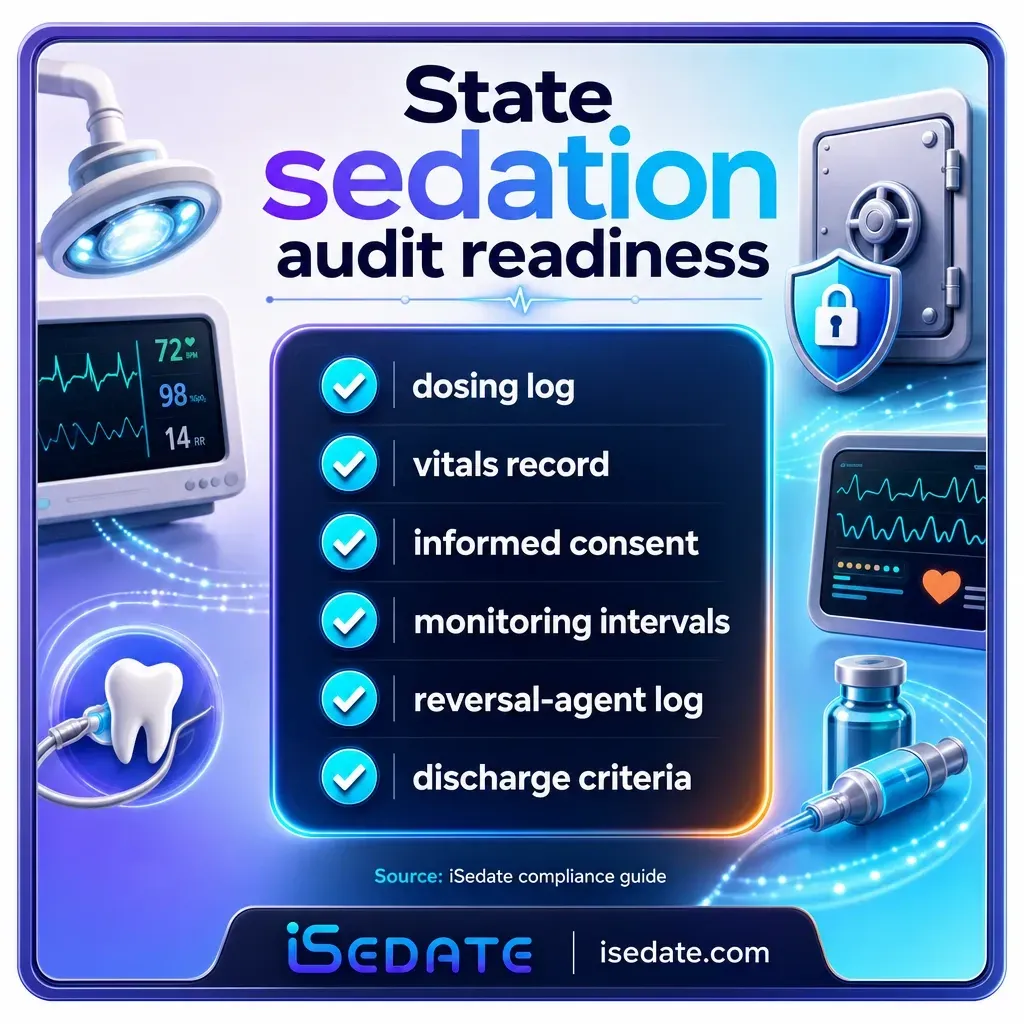
Under Regulation 30, Section 17(c), the on-site evaluation covers the facility and equipment, emergency readiness, and documentation. The documentation piece is specific: Section 17(c)(2) calls for a review of at least ten charts to assess for proper documentation, and Section 17(c)(3) adds a review of the office's documented emergency simulation training. A self-audit checklist matched to your permit class accompanies the facility attestation form, so part of the evaluation is checking your records against your own attestation.
When an evaluator opens your files, they are checking the record, not your intentions. A permit holder who did the sedation correctly can still come up short on the paperwork: a controlled-substance log that does not reconcile, an anesthetic entry too thin to show the course of the case, an emergency drill that happened but was never documented. Across ten charts, a weak pattern is easy to see.
Source: Board facility inspection application | Regulation 30, Section 17(c)
Fees, renewal, and staying current
The Board publishes its fee schedule in Regulation 37. The application fees for the anesthesia permits are flat across the three classes, with a separate charge for the facility permit.
Mississippi Anesthesia Permit Fees & Renewal
- Class 1, 2, or 3 permit application: 300 dollars each.
- Anesthesia facility permit application: 400 dollars.
- Renewal cycle: biennial, due 60 days before November 1.
- Late / lapse: a two-month penalty phase begins November 1; a permit not renewed by December 31 is voided on January 1.
- Resuscitation: maintain current ACLS, plus PALS if you treat patients under 13.
The permit renews alongside your Mississippi dental license on the Board's biennial cycle. The exact continuing-education hours tied to each permit class are set by board rule and updated periodically, so confirm your current CE requirement, fees, and resuscitation certifications directly with the Board so your permit never lapses at renewal.
Source: Board Regulation 37, license renewal and fee schedule
Keeping records audit-ready
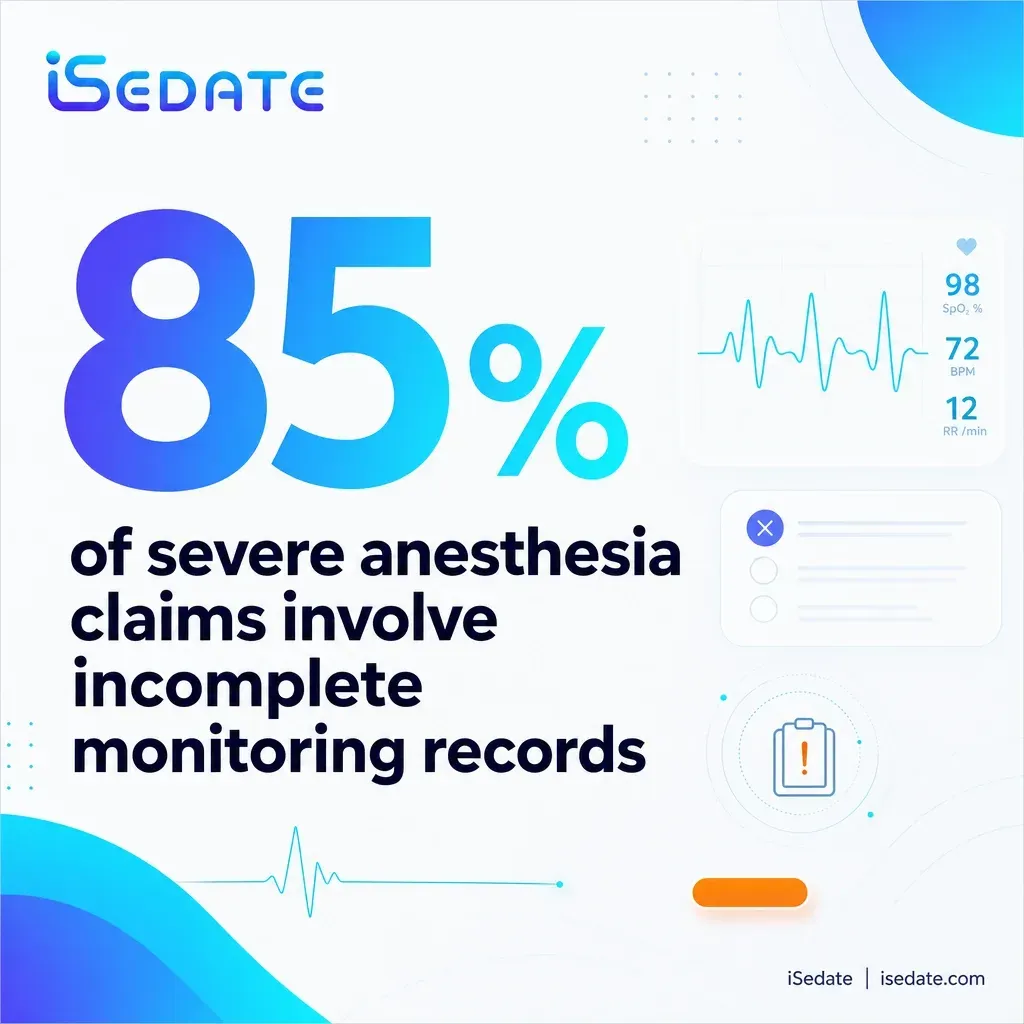
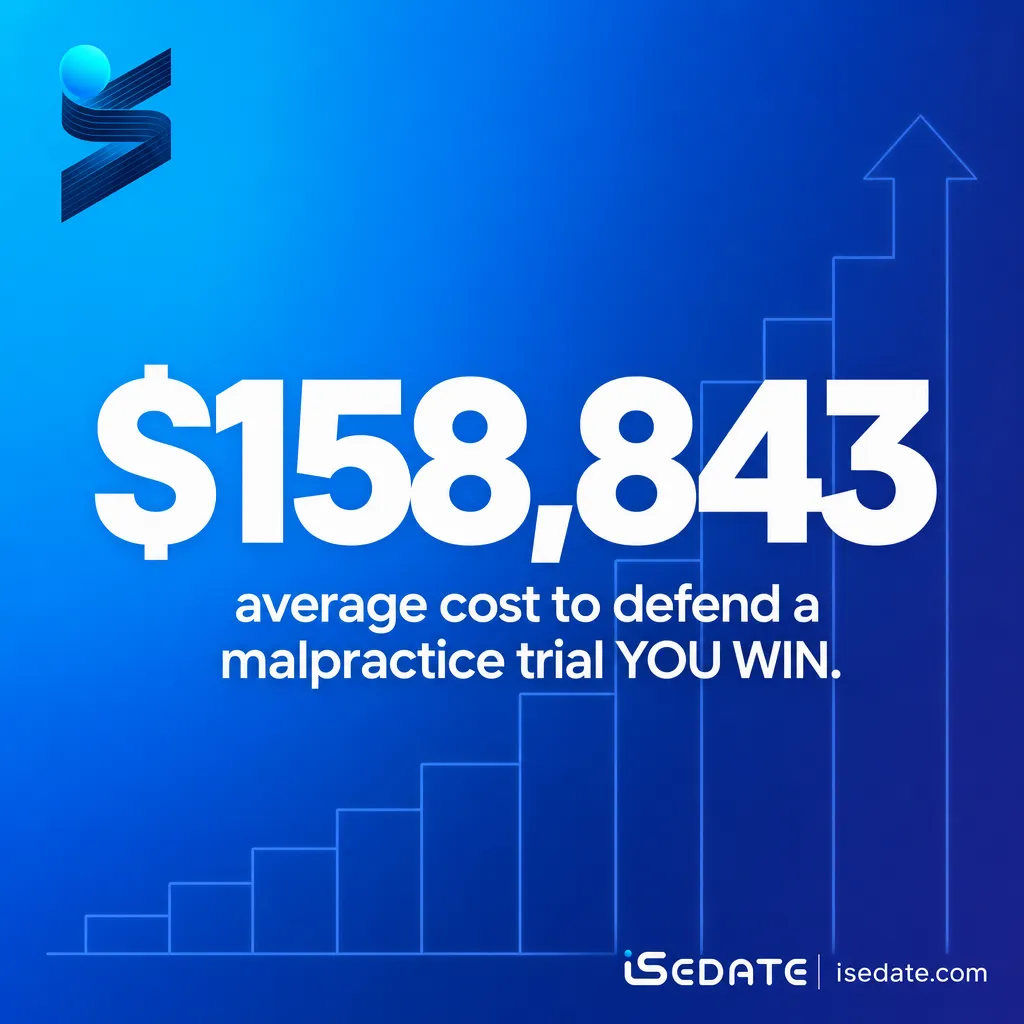
Everything above points to one truth: earning the permit is a one-time hurdle, but keeping it is a daily documentation discipline. A record kept by hand, between titrating a drug and watching an airway, is exactly where documentation goes incomplete, and incomplete records are what an on-site evaluation and a malpractice claim both attack.
SedationVault removes that failure point. It captures live patient vitals and the drug log automatically into a time-oriented, audit-ready anesthetic record, so the documentation of the anesthetic experience that Section 17(a)(5) requires, and the controlled-substance detail behind Section 17(a)(6), are simply present and reconciled while you focus on the patient. When the Board pulls ten charts, a complete record is a one-click export, not a scramble through paper. See how it maps to the Mississippi rules on the dental sedation compliance and anesthesia record software pages.
Book a Demo of SedationVault See SedationVault PricingFrequently asked questions
What sedation permits does Mississippi offer?
What training do you need for moderate (Class 2) sedation in Mississippi?
How much does a Mississippi dental anesthesia permit cost?
Does each office location need its own facility permit?
How is a Mississippi sedation permit renewed?
What does the on-site evaluation check in Mississippi?
Related guides and neighboring states
What to Read Next
Start with the clinical companion to this licensing guide, then zoom out to the national hub:
- Mississippi Sedation Vitals Monitoring, Charting & Reporting Requirements, the documentation side of the same Regulation 30.
- Sedation Dentistry Licensing & Permit Requirements by State, the all-50-state hub.
Licensed in a neighboring state? See our permit guides for Alabama sedation dentistry licensing and permit requirements, Arkansas sedation dentistry licensing and permit requirements, Louisiana sedation dentistry licensing and permit requirements, and Tennessee sedation dentistry licensing and permit requirements.
Sources
- Mississippi State Board of Dental Examiners, Facility Inspections (permits, inspections, official forms)
- Board Regulation 30, "Administration of Anesthesia" (30 Miss. Admin. Code Pt. 2301, R. 1.30)
- Board Class II (moderate sedation) advanced anesthesia permit application
- Board application for facility advanced anesthesia permit
- Board facility self-audit / attestation form
- Board Regulation 37, license renewal and fee schedule
- Enabling statute: Miss. Code Ann. Section 73-9-13
This guide summarizes Mississippi sedation permit rules for general information and is not legal advice. The permit classes, documentation duties, monitoring responsibilities, facility inspection, on-site evaluation, fees, and adverse-event reporting are drawn from Board Regulation 30, the Board's own application forms, and Regulation 37 as cited, current as of November 2026. The specific per-class continuing-education hours, exact penalty schedule, per-level monitoring intervals, and Class 1 training specifics are administered by the Mississippi State Board of Dental Examiners and should be confirmed directly with the Board before you act. The ADA guidelines are referenced only as a national professional standard, not as Mississippi law.